
Irish mythology is a rich tapestry woven from the threads of ancient tales, folklore, and the vibrant culture of the Emerald Isle. It is a world where the mundane meets the magical, where the hills are alive with stories of gods, heroes, and mystical creatures. From the majestic Tuatha Dé Danann, the divine race of deities, to the enchanting banshees that herald death, Irish mythology is a treasure trove of narratives that have captivated imaginations for centuries.
These stories not only reflect the beliefs and values of ancient Irish society but also serve as a window into the human experience, exploring themes of love, loss, bravery, and mischief. At the heart of this mythological landscape lies a plethora of fantastical beings, each with its own unique characteristics and tales. Among these creatures, the leprechaun stands out as one of the most beloved and enduring figures.
Often depicted as a small, bearded man clad in green, leprechauns are synonymous with mischief and magic. Their stories have transcended generations, evolving from ancient folklore into modern pop culture icons. As we delve deeper into the origins and roles of leprechauns within Irish mythology, we uncover a world where whimsy reigns supreme and where every corner of Ireland is steeped in enchantment.
Key Takeaways
- Irish mythology is rich with folklore and legends that have been passed down through generations.
- The origins of the leprechaun can be traced back to ancient Irish folklore and mythology.
- Leprechauns are known for their mischievous nature and their ability to grant wishes.
- The characteristics and traits of leprechauns include their small stature, red hair, and their love for shoemaking.
- The pot of gold is a symbol of leprechaun mythology and is often associated with their elusive nature.
The Origins of the Leprechaun in Irish Folklore
The origins of the leprechaun can be traced back to ancient Irish folklore, where they were initially associated with the Tuatha Dé Danann, a mythical race believed to inhabit the Otherworld. These early depictions of leprechauns were not the jolly figures we recognize today; rather, they were often portrayed as solitary fairies or cobblers who guarded hidden treasures. The term “leprechaun” itself is thought to derive from the Irish word “leipreachán,” which means “small body.” This etymology hints at their diminutive stature and perhaps their elusive nature.
As time progressed, leprechauns became more defined in their characteristics and roles within folklore. They evolved from mere fairy folk into cunning tricksters who delighted in playing pranks on unsuspecting humans. Their association with wealth and hidden treasures solidified their place in Irish mythology.
Tales began to circulate about their pots of gold, buried at the end of rainbows, further embedding them into the cultural consciousness. The leprechaun’s origins are steeped in a blend of Celtic beliefs and local traditions, making them a quintessential part of Ireland’s rich mythological heritage.
The Role of Leprechauns in Irish Folklore
In Irish folklore, leprechauns serve multiple roles that reflect both their mischievous nature and their connection to the human world. They are often depicted as guardians of hidden treasures, embodying the idea that wealth is not easily obtained but rather requires cunning and wit. This role aligns with the broader themes found in Irish mythology, where characters frequently navigate challenges and obstacles to achieve their desires.
Moreover, leprechauns symbolize the duality of fortune and folly. While they may possess great wealth, they are also known for their trickery and capriciousness.
This duality serves as a reminder that luck can be fleeting and that one must tread carefully when dealing with forces beyond their control. In many tales, those who seek to capture or outwit a leprechaun often find themselves ensnared in their own schemes, illustrating the idea that greed can lead to one’s downfall. Thus, leprechauns embody both the allure of riches and the perils of ambition, making them complex figures within Irish folklore.
The Characteristics and Traits of Leprechauns
Leprechauns are characterized by their distinctive appearance and personality traits that set them apart from other mythical beings. Typically depicted as small men with long beards and twinkling eyes, they are often dressed in green coats and buckled shoes—a nod to their association with Ireland’s lush landscapes. Their attire is not merely for show; it reflects their connection to nature and the earth, grounding them in the very soil of Ireland.
This visual representation has become iconic, solidifying their status as symbols of Irish culture. Beyond their physical attributes, leprechauns are known for their cunning intelligence and quick wit. They possess an innate ability to outsmart those who seek to capture them or claim their treasures.
This cleverness is often accompanied by a playful sense of humor, as they delight in leading humans astray or playing pranks on them. Their mischievous nature is balanced by a certain wisdom; they understand the value of patience and strategy in achieving their goals. This combination of traits makes leprechauns both endearing and infuriating—creatures that can inspire laughter while simultaneously evoking frustration.
The Mischievous Nature of Leprechauns
Mischief is at the very heart of leprechaun lore, and their antics have become legendary throughout Ireland. These cheeky little beings thrive on chaos, often turning mundane situations into uproarious escapades. Whether it’s hiding someone’s shoes or causing a ruckus at a local pub, leprechauns revel in creating mayhem wherever they go.
Their pranks are not malicious; rather, they serve as playful reminders that life should not be taken too seriously. One popular tale recounts how a group of leprechauns decided to play tricks on a farmer who had been boasting about his wealth. They enchanted his fields so that every time he attempted to harvest his crops, they would vanish into thin air.
The farmer’s frustration grew as he chased after invisible produce while the leprechauns cackled with glee from behind nearby bushes. This story exemplifies how leprechauns use their cunning to teach valuable lessons about humility and the folly of pride. Their mischief often carries deeper meanings, encouraging humans to embrace spontaneity and laughter amidst life’s challenges.
The Pot of Gold: A Symbol of Leprechaun Mythology
The pot of gold associated with leprechauns has become one of the most enduring symbols in Irish mythology. Often depicted as being hidden at the end of a rainbow, this treasure represents not only material wealth but also the pursuit of dreams and aspirations. The idea that one must embark on a journey to find this elusive pot speaks to the universal human desire for fulfillment and success.
However, like many aspects of leprechaun lore, this symbol carries an air of irony. In reality, the pot of gold is rarely attainable; it serves as a metaphor for life’s fleeting opportunities. Many who seek it find themselves lost in pursuit or ensnared by their own desires—echoing the age-old adage that “the journey is more important than the destination.” Leprechauns guard their treasures fiercely, often leading seekers on wild chases that ultimately teach them valuable lessons about patience and perseverance.
Thus, while the pot of gold may represent material wealth, it also embodies deeper truths about ambition and contentment.
Leprechauns in Modern Culture
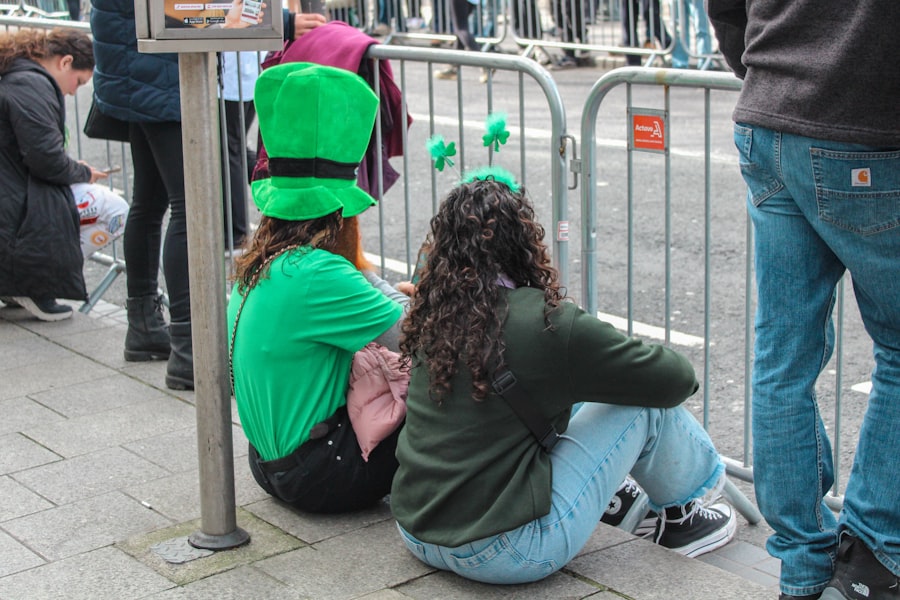
In contemporary culture, leprechauns have transcended their folkloric roots to become symbols of Irish identity and celebration worldwide. From St. Patrick’s Day parades to commercial products featuring their likenesses, these whimsical beings have found a place in popular imagination far beyond Ireland’s shores.
Their image is often used to evoke feelings of joy and festivity, embodying the spirit of revelry associated with Irish culture. However, this modern portrayal sometimes oversimplifies the complexity of leprechaun lore. While they are often depicted as jolly figures spreading cheer, it is essential to remember their mischievous nature and cunning intelligence rooted in folklore.
This duality adds depth to their character; they are not merely symbols of good fortune but also reminders that life is filled with surprises—both delightful and challenging. As leprechauns continue to capture hearts around the globe, they serve as ambassadors for Ireland’s rich cultural heritage while reminding us all to embrace a little mischief along the way.
The Enduring Legacy of Leprechauns in Irish Folklore
The legacy of leprechauns endures through generations, woven into the fabric of Irish culture and identity. Their tales continue to be told around firesides and shared among friends, ensuring that their mischievous spirit lives on in contemporary storytelling. As symbols of resilience and cleverness, leprechauns remind us that even in times of hardship, laughter can be found amidst chaos.
Moreover, leprechauns embody a connection to Ireland’s past—a bridge between ancient beliefs and modern interpretations. They serve as custodians of tradition while adapting to new contexts within popular culture. As long as there are stories to tell and laughter to share, the legacy of these cheeky little beings will remain vibrant and alive—a testament to the enduring power of myth and magic in our lives.
In every corner of Ireland where rainbows arch across lush landscapes, one can almost hear the faint sound of laughter echoing through time—a reminder that mischief is never far away when leprechauns are near.
If you are interested in exploring more Irish folklore, you may enjoy reading The Clever Leprechaun: A Page About the Tale Where a Leprechaun Outsmarts a Human. This article delves into the cunning nature of leprechauns and their ability to outsmart humans in traditional Irish tales.
FAQs
What is the mythology behind Bastard Leprechauns?
The mythology behind Bastard Leprechauns is a part of Irish folklore that explores the mischievous and sometimes malevolent nature of leprechauns, who are often depicted as tricksters and troublemakers in Irish mythology.
What are leprechauns in Irish folklore?
Leprechauns are small, fairy-like creatures in Irish folklore who are often depicted as shoemakers. They are known for their love of mischief and their ability to grant wishes, as well as their elusive nature and their tendency to hoard gold.
What are some common misconceptions about leprechauns?
One common misconception about leprechauns is that they are always jolly and friendly. In reality, leprechauns in Irish folklore are often depicted as cunning and even malevolent, and they are known for their love of pranks and their willingness to deceive humans.
How do leprechauns relate to Irish mythology?
Leprechauns are a part of Irish mythology and are often associated with the “Tuatha Dé Danann,” a supernatural race in Irish mythology. They are also connected to the folklore surrounding fairies and other mythical creatures in Ireland.
What is the significance of exploring the mythology behind Bastard Leprechauns?
Exploring the mythology behind Bastard Leprechauns allows for a deeper understanding of Irish folklore and the cultural significance of these mythical creatures. It also provides insight into the complex and sometimes contradictory nature of leprechauns in Irish mythology.


