
Ah, the leprechaun! That pint-sized trickster with a penchant for mischief and a wardrobe that would make any fashionista green with envy. The origins of this delightful little creature can be traced back to the rich tapestry of Irish folklore, where tales of fairies and magical beings danced through the air like a jig at a pub.
leprechauns are believed to have descended from the Tuatha Dé Danann, a mythical race of people who were said to possess extraordinary powers and lived in a world parallel to our own. These ancient beings were not just your run-of-the-mill fairies; they were warriors, poets, and magicians, all wrapped up in a cloak of mystery. As the centuries rolled on, the leprechaun evolved from a formidable figure into the cheeky little sprite we know today.
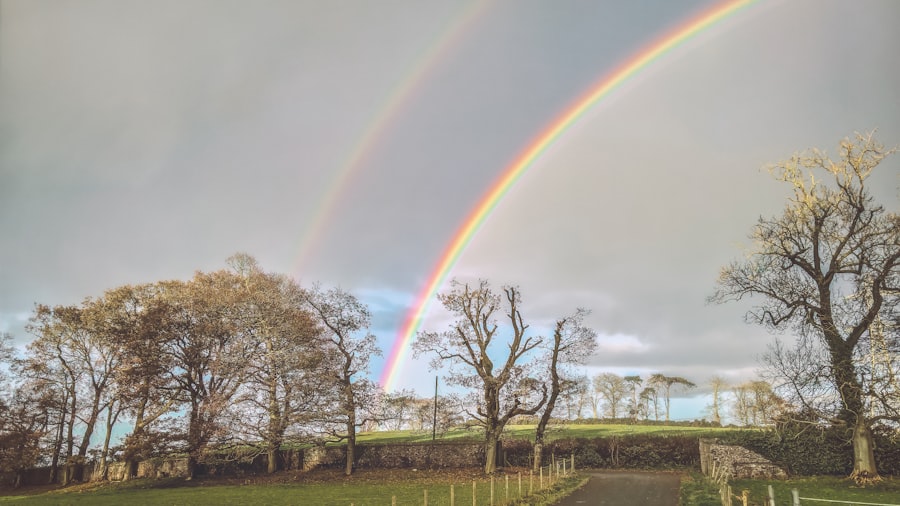
Initially depicted as a solitary shoemaker, he was often portrayed as a grumpy old man with a pot of gold hidden at the end of a rainbow. This transformation was likely influenced by the changing tides of Irish society, where the leprechaun became a symbol of both mischief and resilience. So, next time you spot a leprechaun in a story or a pint of Guinness, remember that he’s not just a whimsical character; he’s a reflection of Ireland’s rich cultural heritage and its ability to adapt and thrive through the ages.
Key Takeaways
- The leprechaun myth has its origins in Irish folklore, where these mischievous creatures were believed to be shoemakers and guardians of hidden treasure.
- Contrary to popular belief, leprechauns do not grant wishes, and this misconception has been perpetuated by popular culture and commercialization.
- Leprechauns play a complex role in Irish folklore, often depicted as solitary and elusive beings with a penchant for mischief and trickery.
- Debunking the myth: Leprechauns do not possess the ability to grant wishes, and this belief is a modern invention that strays from their original folklore.
- Leprechauns hold cultural significance in Irish folklore, representing the spirit of Ireland and its rich storytelling tradition, but they are not wish-granting entities.
The Misconception of Leprechauns Granting Wishes
Debunking the Leprechaun Legend
The idea of catching a leprechaun and being granted three wishes is a popular myth that has been passed down for generations. However, this notion is far from reality. If leprechauns were indeed granting wishes as freely as people believe, they would quickly run out of business.
The Origins of the Misconception
The misconception about wish-granting leprechauns can be attributed to various forms of media, such as movies and books. Perhaps a few too many tales of leprechauns have been exaggerated after a pint or two of stout. In reality, leprechauns are more likely to lead people on a wild goose chase than grant their deepest desires.
The True Nature of Leprechauns
Leprechauns are cunning and clever creatures that thrive on outsmarting those who seek their treasures. If you were to encounter a leprechaun, do not expect them to hand over their gold or fulfill your wildest dreams. Instead, be prepared for a game of wits that could leave you puzzled and wondering how you ended up chasing rainbows in the first place.
Exploring the Role of Leprechauns in Irish Folklore
Leprechauns play a fascinating role in Irish folklore that goes beyond their reputation as mere wish-granters. These pint-sized pranksters are often seen as guardians of hidden treasures, embodying the spirit of cunning and cleverness that is so deeply ingrained in Irish culture. They are not just whimsical figures; they represent the age-old struggle between humans and the supernatural.
In many tales, leprechauns are depicted as shrewd negotiators who will do anything to protect their gold from greedy mortals. It’s almost like they’re saying, “You want my treasure? Good luck with that!” In addition to their role as guardians of wealth, leprechauns also serve as cautionary figures in folklore.
Their antics often highlight the folly of greed and the consequences of trying to outsmart them. Many stories feature hapless humans who think they can outwit a leprechaun only to find themselves in a sticky situation. It’s a classic case of “be careful what you wish for,” reminding us that sometimes it’s better to leave well enough alone—especially when dealing with a creature known for its trickery!
Debunking the Myth: Do Leprechauns Really Grant Wishes?
Let’s take a moment to debunk this wish-granting myth once and for all. The truth is, leprechauns are not your fairy godmothers waiting to sprinkle magic dust on your dreams.
In folklore, there’s no evidence to suggest that leprechauns have ever granted wishes. Instead, they’re known for their cleverness and their ability to evade capture. If you think you can catch one and walk away with riches, think again!
You might just end up with a riddle or two instead. So why do we continue to associate leprechauns with wishes? It’s likely due to the influence of popular culture and storytelling.
Movies and books have taken creative liberties with these characters, turning them into wish-granting machines for our entertainment. But let’s not forget that folklore is rooted in tradition and history. The real leprechaun is far more complex than any Hollywood portrayal.
He’s a symbol of wit and cunning, reminding us that sometimes the greatest treasures lie not in gold but in the stories we share and the laughter we create along the way.
The Cultural Significance of Leprechauns in Irish Folklore
Leprechauns hold a special place in Irish culture that goes beyond their mischievous antics. They are emblematic of Ireland’s rich storytelling tradition, where tales of magic and wonder have been passed down through generations like cherished heirlooms. These little sprites embody the spirit of resilience and resourcefulness that has characterized the Irish people throughout history.
In times of hardship, leprechauns remind us to find joy in life’s little moments—even if it means pulling a prank or two along the way. Moreover, leprechauns serve as cultural ambassadors for Ireland on the global stage. When people think of Ireland, images of rolling green hills, lively pubs, and yes—those cheeky little fellows often come to mind.
They’ve become symbols of Irish identity, representing not just folklore but also the warmth and humor that define the Irish spirit. So whether you’re raising a glass in Dublin or sharing stories around a campfire, remember that leprechauns are more than just characters; they’re an integral part of what makes Ireland so enchanting.
Separating Fact from Fiction: Understanding the True Nature of Leprechauns

The Solitary Nature of Leprechauns
In traditional Irish folklore, leprechauns are often portrayed as solitary beings who prefer to keep to themselves, avoiding human interaction. This aspect of their character adds a layer of mystery and intrigue to their persona.
The Skilled Craftsmen of Fairyland
Their primary occupation as shoemakers is a fascinating aspect of their character. Who wouldn’t want to be renowned as the best cobbler in all of fairyland? This skill not only showcases their craftsmanship but also highlights their connection to the natural world.
Guardians of Nature’s Bounty
Leprechauns are often associated with specific locations in Ireland, particularly rural areas where they are said to guard hidden treasures buried beneath ancient mounds or near fairy rings. This connection to the land adds depth to their character and reinforces their role as protectors of nature’s bounty. By understanding their true nature, we can appreciate the rich tapestry woven from history, culture, and tradition that defines these enigmatic creatures.
The Evolution of the Leprechaun Myth in Popular Culture
Oh, how our dear friend the leprechaun has evolved over time! From his humble beginnings as a solitary shoemaker in Irish folklore to becoming an international icon synonymous with St. Patrick’s Day celebrations, this little sprite has certainly made his mark on popular culture.
Movies like “Leprechaun” (yes, I’m looking at you!) have taken creative liberties that would make any traditionalist cringe—turning our charming trickster into a horror movie villain! Talk about taking things too far! But let’s not throw out the baby with the bathwater!
Amidst all this evolution lies an undeniable charm that keeps us enchanted by leprechauns. They’ve become symbols of luck and good fortune—often seen gracing everything from cereal boxes to beer labels.
Whether they’re dancing on rainbows or hiding pots of gold at the end of them, leprechauns continue to capture our imaginations and remind us that magic exists in unexpected places.
Embracing the Magic of Leprechauns Without Expecting Wishes to be Granted
So here we are at last—ready to embrace the magic of leprechauns without getting tangled up in unrealistic expectations! While it may be tempting to chase after those elusive pots of gold or dream about wishes being granted, let’s take a moment to appreciate what these delightful creatures truly represent: joy, laughter, and a sense of wonder that transcends our everyday lives. Instead of fixating on what we can get from leprechauns, let’s focus on what we can learn from them!
Their cleverness teaches us to think outside the box; their mischievous nature reminds us not to take life too seriously; and their connection to Irish culture invites us to celebrate our own stories and traditions. So next time you find yourself daydreaming about catching a leprechaun for wishes galore, remember: sometimes it’s enough just to enjoy the magic around us—whether it comes from a pint of Guinness or an unexpected twist in life’s grand adventure!
If you found the article “Uncovering the Myth: Do Leprechauns Really Grant Wishes?” intriguing, you might also enjoy exploring more about the folklore surrounding these mystical creatures. A related article that delves deeper into the traditional stories is Leprechaun Legends: An Exploratory Page Discussing Various Leprechaun Legends. This piece offers a comprehensive look at various leprechaun tales, enriching your understanding of their mythical history and cultural significance.


